
About IAPA
Our Mission & Vision
The Illinois Academy of Physician Associates is the premier organization for all PAs in Illinois, promoting professional development and empowering PAs to achieve their full scope of practice while becoming recognized leaders in healthcare.
Our aim is to serve as the primary resource on and for the PA profession in Illinois, committed to advocacy, education, and the highest quality of patient care.
Board of Directors
-

Dr. Janet Furman
PRESIDENT
-
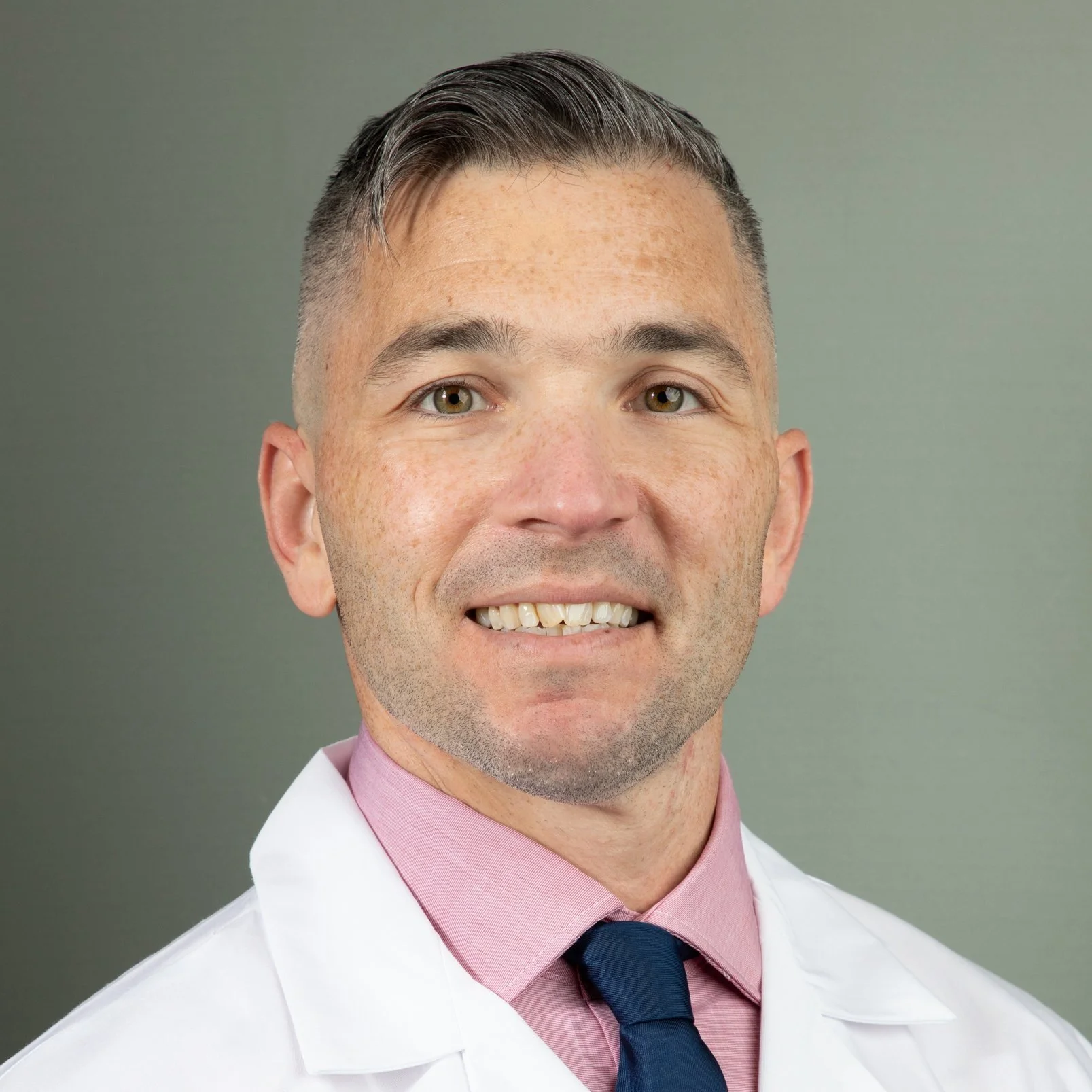
Dr. Matthew Schneider
PRESIDENT-ELECT
-

Hazel Domingo
IMMEDIATE PAST-PRESIDENT
-

Christina Terrazas
SECRETARY
-

Dr. Stephanie Metevelas
TREASURER

IAPA Regions
Illinois is divided into six geographically defined regions, each with its own Regional Director who represents that region’s unique interests to the IAPA Board.
Region 1
Director: Currently Vacant
Geographic Boundaries: Between I-80 and the northern border of Illinois, excluding the Chicago area.
Region 2
Director: Dr. Tiffany Delane
Geographic Boundaries: Cook County and the surrounding areas: Lake County, McHenry County, and Kane County.
Region 3
Director: Dr. Camila Salvador
Geographic Boundaries: The southern half of the area of Chicago and suburbia below the Eisenhower Expressway.
Region 4
Director: Katherine Walls
Geographic Boundaries: South of I-80 and west of I-55 to St. Louis. Springfield, Peoria, and Quincy are some of the cities included in this area.
Region 5
Director: Dr. Jessica Alwerdt
Geographic Boundaries: I-70 as southern border, and the northern border spans from I-55 East to I-80.
Region 6
Director: Currently Vacant
Geographic Boundaries: Between I-70 and the southern border of Illinois
Delegates to the AAPA HOD
The American Academy of Physician Associates (AAPA) House of Delegates (HOD) serves as the policy-making body of the organization, representing the interests and collective values of the PA profession. The HOD is composed of voting delegates from various constituent organizations, including state and federal service chapters, specialty organizations, caucuses, and the Student Academy.
IAPA Delegates to the HOD
Dr. Matthew Schneider (Chief Delegate, President-Elect)
Dr. Janet Furman (President)
Hazel Domingo (Immediate Past-President)
Dr. Brooke Schweitzer
Dr. Don Martinez (Past-President)
Dr. Camila Salvador
Katherine Walls
Organizational structure of IAPA (as defined in the bylaws)
1) Membership (the base of the organization)
IAPA is composed of multiple classes of membership (e.g., Fellow, PA Student, Pre-PA, Business/Hospital Affiliate, Honorary, PA Program, Affiliate, New Graduate Fellow).
Voting and eligibility to hold office: Fellow members in good standing may vote and hold office.
The Academy holds an annual meeting of members (often at the Fall CME) and can call special membership meetings.
2) Board of Directors (governing body)
The Board of Directors (BOD) is the central governing body with “executive and judicial” duties and responsibility for property/financial affairs.
The bylaws set the Board at no fewer than 12 and no more than 15 voting members.
Voting members of the Board include:
Executive officers: President, President-elect, Secretary, Treasurer, Immediate Past President (each has a vote).
Six Regional Directors (each has a vote).
AAPA House of Delegates representatives (President, President-elect, Immediate Past President serve as delegates; plus additional elected delegates; these delegates also sit on the Board and vote).
Student Representatives: collectively hold one vote.
Ex-officio / floor-privilege roles (not necessarily voting)
PA Faculty Representatives: each program designates a faculty representative; programs (faculty + two students) share one collective vote per program, decided by majority rules within that program’s reps.
Committee Chairs: have floor privileges but do not vote (if not already voting members in another role).
3) Officers (leadership roles)
Officers named in the constitution/bylaws include:
President, President-elect, Secretary, Treasurer, and six regional directors (and other officers as bylaws may provide).
The bylaws further define executive officers and core duties (President appoints committees/chairs with board consent; Treasurer handles funds and reporting; Secretary keeps minutes; etc.).
4) Committees (standing + as-created)
Standing committees are explicitly listed as:
Executive
Membership
Continuing Medical Education
Nominating
Student
Legislative
Committees can be added by the Board as needed, and committee chairs are appointed by the President with Board consent.
5) Staff / Executive Director (operational administration)
The bylaws assign the Executive Director a role in the bylaws amendment process (receiving member comments and notifying the Executive Committee).